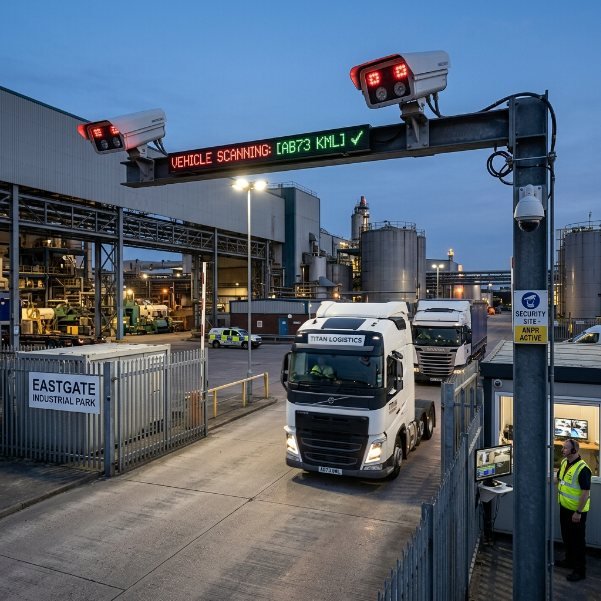
Parking & Access Control
IR lighting for vehicle entrances, gates and parking lanes where plate distance, camera angle and mounting height affect results.
 IR & Project Lighting
IR Application Focus
Accurates supports IR lighting selection for parking entrances, highway capture, vehicle access, CCTV night vision and perimeter projects. We supply the lighting and project sourcing support; system recognition results must be verified by camera and site testing.
Main Applications
IR lighting, cameras and site lighting support for security monitoring and night vision projects.
850nm / 940nm illumination matched to camera response, distance, beam angle and installation conditions.
Strobe or focused IR lighting for entrances, parking, toll points, highway checkpoints and controlled access lanes.
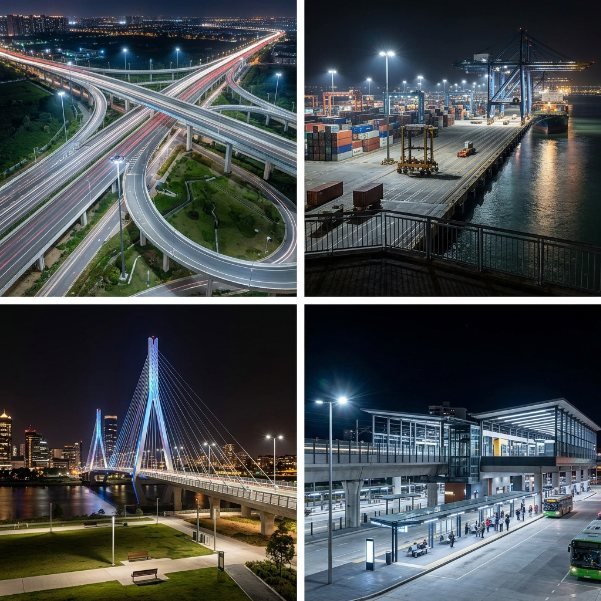
Street lights, tunnel lights, high mast lights and flood lights for roads, yards and public areas.
High bay, tri-proof and safety lighting where broader project lighting is required.
Cameras, LPR hardware and accessories can be coordinated selectively when they support the lighting project.
Project Types
IR lighting for vehicle entrances, gates and parking lanes where plate distance, camera angle and mounting height affect results.
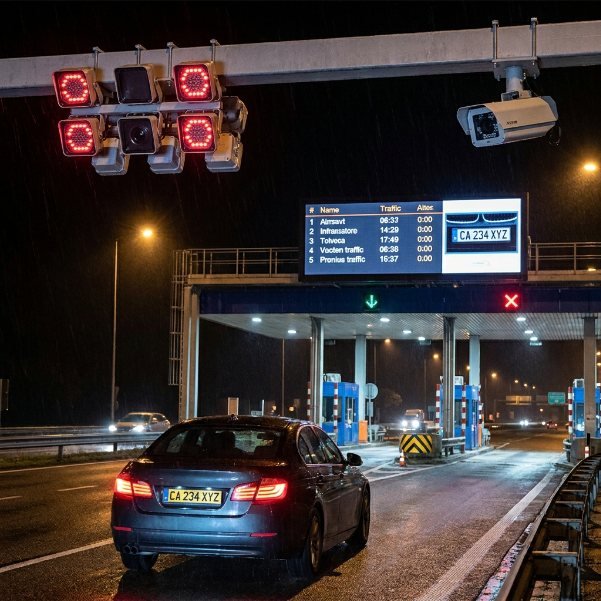
Strobe or synchronized IR lighting where trigger input, vehicle speed, shutter timing and lane geometry must be reviewed before sampling.
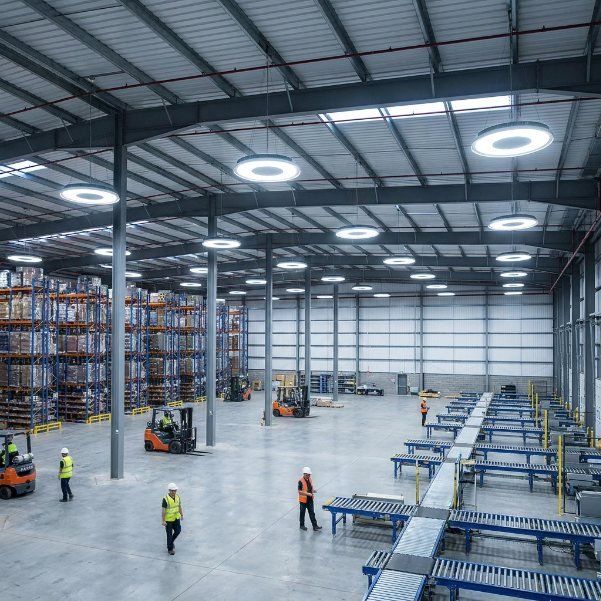
Long-range IR and project lighting support for factories, warehouses, logistics parks and restricted outdoor areas.
LPR / ANPR Focus
Plate capture is not solved by brightness alone. It depends on IR wavelength, trigger input, pulse width, delay, camera shutter, vehicle speed, lane angle, plate distance, mounting height and reflection.
Measure the expected distance between camera, illuminator and license plate position.
Confirm vehicle angle, entry direction, lane width and mounting position.
Check shutter, lens, exposure and IR sensitivity before sampling.
Confirm trigger mode, then test on site. We supply IR lighting support, not a guaranteed recognition rate promise.
Common Failure Points
Many projects choose a lamp only by wattage. For plate capture, the wrong beam angle or mounting position can be more damaging than insufficient brightness.
Too much direct reflection can wash out letters and numbers.
A wide beam wastes light; a narrow beam may miss the plate zone.
Camera IR sensitivity, shutter and lens angle must be considered together.
Pole height, lane angle and headlights can create inconsistent results.
Before Sampling
ANPR Technical Guides

